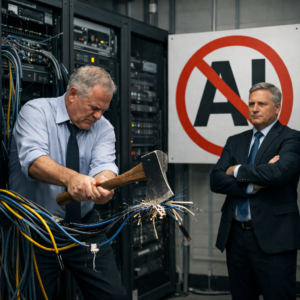
If Your Company Says No to AI, You Probably Have Governance Problem
When a company says “no AI,” it usually wants credit for being careful. Most of the time, that isn’t what’s happening. A blanket AI ban

When a company says “no AI,” it usually wants credit for being careful. Most of the time, that isn’t what’s happening. A blanket AI ban

The CEO asks why the company still has no serious AI adoption plan. The CTO wants to move. Engineering wants approved tooling. Legal says no.
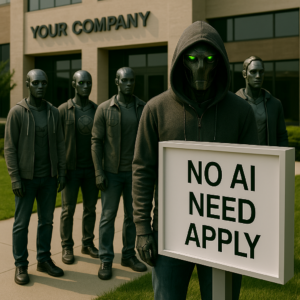
Every company has a talent strategy. Some choose it. Some just get it by veto. A blanket AI ban is one way to get it
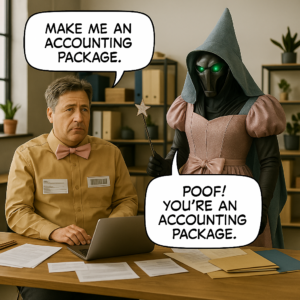
I pay about $2,200 a year for QuickBooks for a small boutique design firm, real mom-and-pop backbone-of-America kind of business. I was getting ready to
Everyone wants to talk about the future that AI will bring. I’d like to point out that we’re still losing small fights like the one
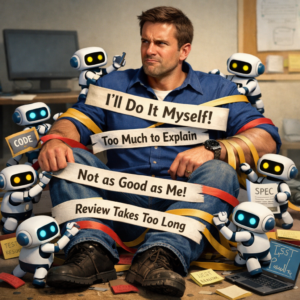
AI is shifting engineering away from pure individual problem-solving and toward defining, directing, and reviewing work. Engineers who resist that shift for the same reasons

Everyone wants the productivity gain. Few want to talk about the staffing problem it may create. If AI removes a meaningful share of junior engineering

Why AI is starting to reprice implementation skill, and why many engineers still do not want to admit it. The most common frame for AI

We have been interviewing for a Senior Embedded Engineer, and a pattern keeps showing up: candidates sitting at their computer during the interview and using

OpenClaw is a glimpse of the future: software that does real work for you. It is also a case study in how unbounded open source, plus viral distribution, turns helpful into credential theft waiting to happen.